

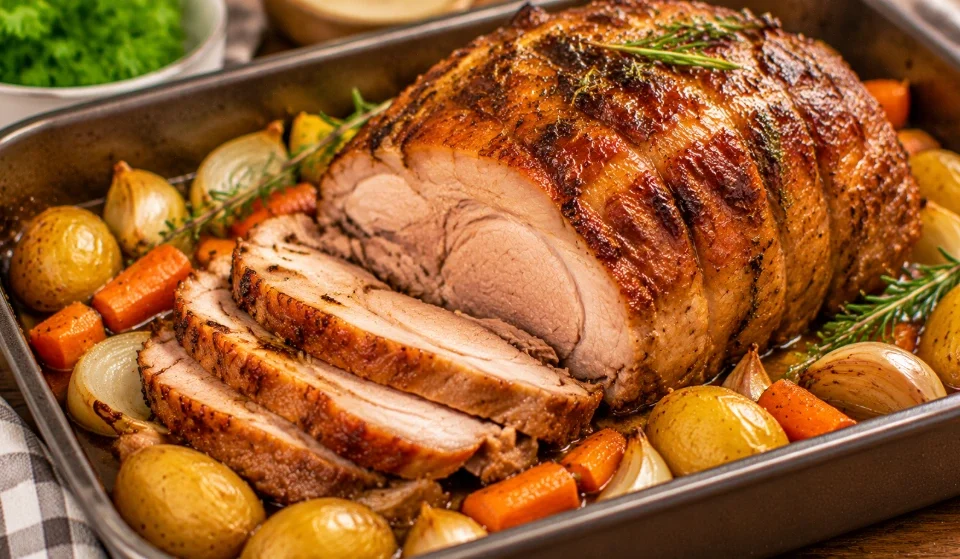

Dry, tough pork ruins a good dinner, and a big shoulder can feel scary to cook. You are not alone, because many home cooks worry about how to cook a shoulder of pork in the oven without drying it out. This guide gives you one base recipe with many easy twists. You will learn the right oven temperature, the best internal temperature, and simple timing for tender meat. Then you will try six flavor ideas, smart swaps, serving tips, and storage rules. Each step is short and clear. Soon, a juicy, golden roast will sit on your table, and your guests will ask for seconds. Let’s start with the basics.
Base Recipe: How to Cook a Shoulder of Pork in the Oven
Start by choosing your cut. A bone-in Boston butt gives the juiciest result, because the bone slows cooking and adds flavor. A picnic shoulder has more skin, which suits crackling. Boneless cuts cook faster, so watch the clock. A common mistake is buying a lean loin roast instead. The fix is simple: look for “shoulder” or “butt” on the label, and choose a piece with plenty of marbling.
This bone-in pork shoulder roast cooks low and slow. The table below shows the timing.
| Detail | Amount |
|---|---|
| Prep time | 15 minutes |
| Cook time | 4 hours |
| Rest time | 20 minutes |
| Total time | 4 hours 35 minutes |
| Servings | 8 |
Here is everything you need, with exact amounts.
| Ingredient | US Quantity | Metric |
|---|---|---|
| Bone-in pork shoulder (Boston butt) | 4 lb | 1.8 kg |
| Olive oil | 1 tbsp | 15 ml |
| Kosher salt | 2 tsp | 10 g |
| Black pepper | 1 tsp | 2 g |
| Smoked paprika | 1 tbsp | 7 g |
| Garlic powder | 1 tsp | 3 g |
| Dried thyme | 1 tsp | 1 g |
| Garlic cloves, smashed | 4 | 12 g |
| Chicken broth or water | 1 cup | 240 ml |
Step 1. Dry, Score, and Season the Pork
Pat the pork dry with paper towels. Score the fat cap in a diamond pattern, about ¼ inch deep. Rub it with oil, salt, pepper, paprika, garlic powder, and thyme. For deeper flavor, dry brine it uncovered in the fridge for 12 hours.
Step 2. Set Up the Oven and Pan

Heat the oven to 300°F (150°C). Place the smashed garlic and broth in a roasting pan. Set the pork on top, fat side up.
Step 3. Cover and Roast Low
Cover the pan tightly with foil to trap steam. Roast for 3 hours. At this point, the internal temperature should read about 160°F (71°C).
Step 4. Uncover and Roast to Your Target

Remove the foil. Roast 30 to 60 more minutes, until the meat reaches your target. For slices, aim for 180°F (82°C). For pull-apart pork, aim for 195 to 205°F (90 to 96°C).
Step 5. Crisp the Skin
Want crispy crackling? Raise the heat to 450°F (230°C). Roast uncovered for 15 more minutes, and watch closely.
Step 6. Rest the Roast
Rest the pork for 20 minutes under loose foil. During this time, the juices settle back into the meat.
Step 7. Slice or Shred and Serve

Slice or shred the meat. Spoon the pan juices over the top, and serve.
Use this table to match the finish to your meal.
| Goal | Internal Temperature | Texture |
|---|---|---|
| Sliceable roast | 180°F (82°C) | Firm, juicy slices |
| Pull-apart pork | 195 to 205°F (90 to 96°C) | Shreds easily with a fork |
Why does low heat matter so much? Pork shoulder holds plenty of collagen. Think of it as tight rope inside the meat. Slow heat above 160°F loosens that rope into silky gelatin. As a result, the rendered fat and juices keep every bite moist.
Use this chart to plan your timing at 300°F.
| Roast Weight | Approximate Time | Best For |
|---|---|---|
| 4 lb (1.8 kg) | 3½ to 4 hours | Slicing or shredding |
| 6 lb (2.7 kg) | 5 to 5½ hours | Small crowds |
| 8 lb (3.6 kg) | 6½ to 7 hours | Big gatherings |
Cook’s Note
A common mistake is raising the oven to 400°F when the roast seems stuck. Many cooks find the internal temperature stalls near 160 to 170°F for 45 to 60 minutes. That pause is normal. Staying at 300°F lets the tough fibers melt, while 400°F can dry the outer inch before the center softens.
6 Easy Variations
Once you know how to cook a shoulder of pork in the oven, flavor changes are simple. Keep the method the same and change only the seasoning. You can also browse more recipes at Recipely for side dish ideas.
Each twist keeps the same roasting time. Only the rub, liquid, or glaze changes. A common mistake is adding sugary glazes too early, since sugar burns fast. The fix is to brush them on near the end.
1. Garlic and Rosemary Crackling Roast
Swap the thyme for 2 tablespoons of chopped fresh rosemary. Add the zest of one lemon. Tuck extra garlic slivers under the skin. The flavor turns bright and piney, and the skin turns glassy and crisp.
2. Apple Cider and Sage Pork Shoulder

Replace the broth with 1 cup of apple cider. Add 6 fresh sage leaves and one sliced onion to the pan. The cider adds gentle sweetness. The pan juices turn tangy and perfect for gravy.
3. Smoky BBQ Pull-Apart Pork
Add 2 tablespoons of brown sugar and 1 teaspoon of cumin to the rub. Cook to 205°F, then shred. Toss the meat with ½ cup of barbecue sauce. The result tastes sweet, smoky, and sticky, ideal for sandwiches.
4. Citrus Carnitas-Style Shoulder
Use ½ cup of orange juice and ¼ cup of lime juice instead of broth. Add 2 teaspoons of cumin and 1 teaspoon of oregano. After shredding, broil the pieces for 5 minutes. You get tangy meat with crunchy edges for tacos.
5. Maple Dijon Glazed Pork Shoulder
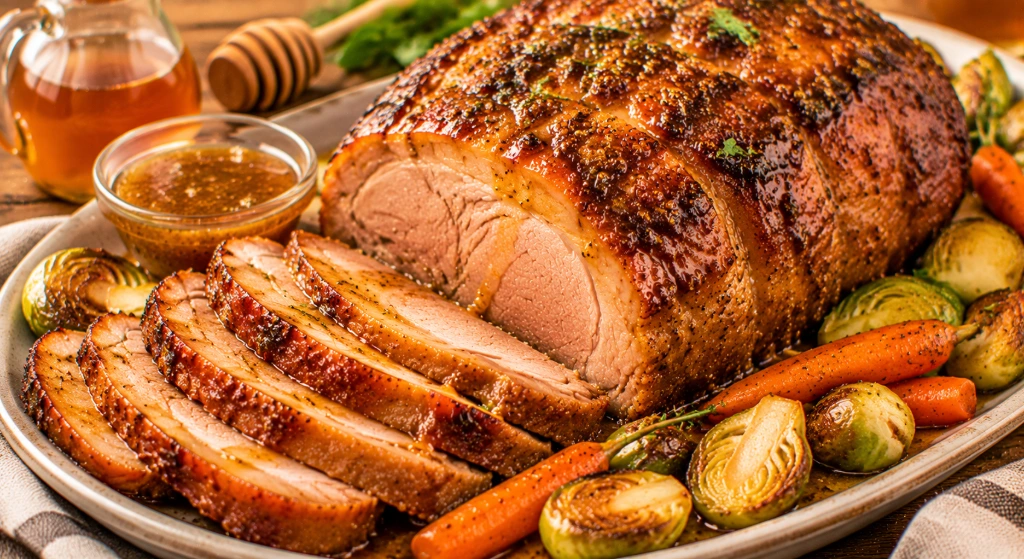
Whisk ¼ cup of maple syrup with 3 tablespoons of Dijon mustard. Brush it on for the last 30 minutes, then finish at 425°F for 10 minutes. The glaze caramelizes into a shiny crust. Expect a sweet, sharp bite in every slice.
6. Ginger Hoisin Pork Shoulder
Mix ¼ cup of hoisin, 2 tablespoons of soy sauce, and 1 tablespoon of grated ginger. Add ½ teaspoon of five-spice powder. Spread it over the pork before roasting. The taste turns savory, sweet, and deeply glossy.
Ingredient Substitutions
Swaps work well here, but a few change the timing or texture. The USDA lists 145°F as the safe minimum for fresh pork. However, this cut tastes best at much higher temperatures, so always check with a meat thermometer.
| Ingredient | Substitute | Result |
|---|---|---|
| Bone-in shoulder | Boneless shoulder | Cooks about 20% faster, so check at 3 hours |
| Chicken broth | Water or apple cider | Lighter or sweeter pan juices |
| Olive oil | Avocado oil | Handles the 450°F finish better |
| Soy sauce | Tamari | Gluten-free, with a slightly milder taste |
| Hoisin sauce | Gluten-free hoisin | Gluten-free, with the same glossy coat |
| Brown sugar | Sugar-free brown sugar blend | Low-sugar, with less caramelization |
| Flour (for gravy) | 1 tbsp cornstarch mixed with 2 tbsp cold water | Gluten-free, and thickens faster with a glossier look |
Dairy-free cooks can relax, because the base recipe has no dairy. Gluten-free cooks should check labels on hoisin and soy sauce, since both often contain wheat. Also, swapping bone-in for boneless shortens the time, so trust your thermometer instead of the clock.
What to Serve With It

Weeknight and Sunday dinners suit classic sides. Try creamy mashed potatoes, roasted carrots, and green beans. Make quick gravy by simmering the pan juices with a spoonful of flour. For a gluten-free version, use the cornstarch swap above. For more side dish ideas, visit the Recipely home page.
Casual crowds and leftovers call for fun formats. Pile shredded pork onto slider buns with coleslaw. Wrap it in warm tortillas for tacos. You can also spoon it over rice with steamed vegetables for an easy bowl.
Make Ahead and Storage
Planning ahead saves stress. Knowing how to cook a shoulder of pork in the oven a day early helps busy weeks. The table shows safe timing.
| Situation | Guidance |
|---|---|
| Make ahead | Season up to 24 hours early; roast up to 2 days ahead |
| Refrigerate | Chill leftovers within 2 hours; store 3 to 4 days in airtight containers |
| Freeze | Freeze shredded pork with its juices for up to 3 months |
| Reheat | Warm covered at 300°F with a splash of broth until it reaches 165°F |
Gentle reheating protects the texture. Cover the pork and add a splash of broth, since dry heat toughens leftovers. Store the pan juices in a separate jar. Then skim off the fat before you warm them.
FAQs
1. Can I use boneless pork instead of bone-in?
Yes, it works well. Boneless shoulder cooks about 20% faster, so start checking the temperature at 3 hours.
2. Can I roast it hotter to save time?
You can, but the meat may dry out. When you learn how to cook a shoulder of pork in the oven, slow cooking at 300°F gives much more tender results.
3. Is a picnic shoulder the same as a Boston butt?
They are close cousins. Both come from the shoulder, and the same method works for each.
4. Can I make this gluten-free or dairy-free?
Yes. The base recipe has no dairy, and tamari plus gluten-free hoisin keep the glazes gluten-free.
5. Can I keep the foil on the whole time?
Yes, but the skin will stay soft. Remove it for the last hour if you want a golden crust.
Final Thoughts
Now you know how to cook a shoulder of pork in the oven with juicy, tender results. Use the base recipe once, then try a new variation each time. Your next step is simple. Buy a 4 lb shoulder this weekend, grab a meat thermometer, and start with the garlic and rosemary version.


