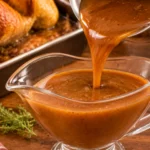
Yes, you can freeze most gravy, especially broth- or stock-based gravy. This easy option helps home cooks save Thanksgiving leftovers and keep food safety in mind.
Brown gravy made with meat drippings or broth is a good candidate for the freezer. Cream- or milk-based gravy may change texture, so plan for that possibility. A little preparation can help you save a useful amount without wasting food or making extra work later.
Whether you are serving turkey, chicken, biscuits, or mashed potatoes, a small saved portion can add flavor to another meal. Freezing gravy in portions makes it easier to thaw only what you need.

Key Takeaways
- Most broth- or stock-based gravy can be frozen.
- Cream- or milk-based gravy may separate after freezing and thawing.
- Cool and package gravy safely before storing it.
- Freeze portions that fit the meals you expect to make.
- Label each package with its freezing date.
- Whisk reheated gravy to help improve its texture.
Can You Freeze Gravy?
A bowl of turkey gravy left after Thanksgiving dinner can be saved for another meal by freezing it safely. Most gravy can go in the freezer, including brown gravy made with meat drippings, broth, or stock.
Gravy made from drippings, broth, or stock is generally suitable for freezing. Brown gravy and Thanksgiving turkey gravy are common examples. You can also freeze gravy made with chicken broth or stock, then serve it with a later meal.
Gravy made with drippings, broth, or stock can be frozen for another meal. Check whether it contains cream or milk before choosing to freeze it.
Freezing leftover gravy is a practical way to save flavor from a holiday meal. Divide a larger batch into portions that suit your usual meals, such as a serving for biscuits or mashed potatoes.
Gravy type affects the texture of frozen gravy after thawing. Some kinds may need stirring or whisking as they warm, while others can keep a smoother consistency.
Freezing is useful when you have more gravy than you can use soon. Think about whether the gravy contains cream or milk before choosing to freeze it.
Which Types of Gravy Freeze Best?
A broth-based brown gravy usually holds up better in the freezer than a creamy white gravy. The base matters, because gravy combines different ingredients that respond differently to freezing.
Gravy made with meat drippings and broth is generally a better freezing choice. Common recipes combine drippings, flour or starch, broth, and seasonings.
Broth and Starch-Based Gravies
Brown gravy often starts with meat drippings and broth. Chicken and turkey gravies may use the same kind of savory base. Flour or another starch thickens the liquid and gives it body.
Starch-thickened gravy can separate after freezing. Whisking as it reheats can help bring the sauce back together. That makes flour-based brown gravy a reasonable choice, even if its texture needs attention later.
| Gravy type | Common base | Freezing result |
|---|---|---|
| Brown or drippings-based gravy | Meat drippings and broth | Generally freezes well |
| Starch-thickened gravy | Flour or other starch | May separate, but whisking can help |
| Cream- or milk-based gravy | Cream or milk | May separate during freezing and thawing |
Cream- and Milk-Based Gravies
Cream- or milk-based gravy can separate during freezing and thawing. Its texture may become grainy or less smooth, even when the flavor remains appealing.
White gravy may include dairy along with flour, seasonings, and sometimes meat. If a dairy-based gravy is already made, expect a possible texture change when it thaws.
How to Cool Leftover Gravy Safely

Start the clock when the gravy finishes cooking, not when you remember to put it away. Safe timing matters for leftover gravy, whether you plan to refrigerate it or freeze it.
Refrigerate cooked gravy within 2 hours, or within 1 hour when the temperature is above 90°F. Divide it into shallow containers so it cools more quickly.
Follow these three actions after the gravy is done:
- Divide the gravy into shallow containers.
- Let it cool until it is no longer steaming.
- Refrigerate or freeze it within the safe time window.
Shallow portions release heat faster than one deep container. Let the gravy cool until it is no longer steaming before transferring it to a freezer container.
Do not let cooked gravy sit at room temperature past the safe time window while waiting for it to cool completely. Put it away in time, even if it still feels warm.
The same timing applies to cooked turkey and stuffing. Shallow portions cool faster than one deep container of gravy.
How to Portion and Package Gravy for the Freezer
Choose a package based on how much gravy you expect to use at one time. Small portions suit quick meals, while a larger container may work better for a family dinner.
Use an airtight container, freezer bag, or ice cube tray based on the portion size. Leave room for expansion in containers and bags, and seal each package well.

| Freezing method | Best use | Packing detail |
|---|---|---|
| Airtight container | A larger portion | Leave room for expansion and seal tightly |
| Freezer bag | A space-saving portion | Remove excess air, leave room for expansion, and freeze flat |
| Ice cube tray | Small amounts | Freeze cubes, then move them to a labeled freezer bag or airtight container |
Freezer bags can lie flat, which makes them easy to stack. Remove excess air without squeezing gravy out, then leave a little room for expansion as it freezes.
An ice cube tray works when a recipe needs only a small amount. Once the cubes are frozen, move them to a labeled freezer bag or airtight container.
Use a clean utensil when filling each package, and close it securely. Label and date every package before storage. Labeling each package makes it easier to use older portions first.
How Long Does Gravy Last in the Freezer?

For the best quality, plan to use frozen gravy within 2 to 6 months. That range is a quality guideline, not a promise that every portion will taste the same throughout storage.
Use frozen leftovers within 2 to 6 months for best quality. A package date helps you keep track of how long the gravy has been stored.
Freezing can preserve a useful portion for a later meal, but quality can change with time. Use the date on the label to choose an older package before a newer one.
Mark the freezing date clearly on each container or bag. If you freeze several portions on different days, their labels help you tell them apart.
A short label can also identify the gravy type, such as turkey, chicken, or brown gravy. This can help when you are choosing a portion for biscuits, potatoes, or another recipe.
Date the package before it goes into the freezer.
How to Thaw Frozen Gravy

Move the amount you need from the freezer to the refrigerator the night before serving. The refrigerator is the first choice for thawing frozen gravy.
Thaw gravy in the refrigerator overnight when you can plan ahead. For a faster option, use cold water or a microwave defrost setting.
| Thawing method | Guidance | Best fit |
|---|---|---|
| Refrigerator | Thaw overnight | The planned meal |
| Cold water | Keep the container closed and place it in cold water | A faster alternative |
| Microwave defrost | Use 30-second intervals | A small amount that can be watched closely |
Keep a container closed if you use cold water. This method helps when dinner is sooner than expected, but the refrigerator remains the simplest planned option.
For a small portion, use the microwave defrost setting in 30-second intervals. Check it between intervals so you can stop once the gravy is thawed enough to use.
Thaw only the portion you plan to use.
How to Reheat Gravy Safely
Reheat thawed gravy in a saucepan so you can stir it as it warms. Gentle heat makes it easier to warm the sauce evenly without leaving cold spots.
Reheat leftover gravy to 165°F and bring it to a rolling boil. A food thermometer gives you a clear temperature check.
Use these four steps to reheat a portion:
- Pour the gravy into a saucepan.
- Warm it over low heat while stirring.
- Bring the gravy to a rolling boil.
- Check that it reaches 165°F with a food thermometer.
Stir the gravy as it warms, scraping across the bottom of the pan. Low heat gives you time to catch any thick spots before they stick.
Keep stirring as the gravy comes to a rolling boil. The thermometer gives a clear reading, while the boil helps ensure the sauce is heated throughout.
Check the gravy’s temperature with a food thermometer before serving.
How to Fix Gravy Texture After Reheating
A split or thin texture does not always mean the gravy has to be thrown away. Steady whisking can improve some texture problems as the sauce warms.
Whisk starch-thickened gravy first, then adjust its thickness gradually. Cream- or milk-based gravy may remain grainy or separated after reheating.

Separated Gravy
Starch-thickened gravy can separate after freezing, but whisking while it reheats can help bring it back together. Keep the heat low and whisk steadily rather than letting the sauce sit undisturbed.
Dairy-based gravy may remain grainy or separated despite careful whisking. Its texture can change during freezing and thawing, so a perfectly smooth result is not guaranteed.
Gravy That Is Too Thin
Whisk first if reheated gravy looks too thin. Give the thickener time to blend into the sauce before deciding whether it needs more.
If the gravy stays thin, a tapioca-based thickener can help restore thickness. Add a small amount at a time, whisking it into the warm gravy before adding more.
If the gravy has become too thick, stir in a small amount of liquid to loosen it. Add just enough to reach the consistency you want without washing out the flavor.
Use a light hand with extra liquid or thickener, since a small change can shift the texture. Add any thickener gradually and whisk as the gravy warms.
How to Store Leftover Gravy in the Refrigerator

If you plan to use Thanksgiving leftovers soon, refrigerated gravy is the short-term option. Keep the portion handy for a meal within the next few days.
Use refrigerated leftover gravy within 3-4 days. Check its smell, texture, and appearance before serving it.
Discard gravy if you notice any of these signs:
- A sour or off smell
- A slimy texture
- Visible mold
- Dramatic discoloration
A covered container helps keep the gravy separate from other foods in the refrigerator. Use a clean spoon each time you serve some, rather than dipping food directly into the container.
Thaw only the amount you expect to use. Refreezing can reduce quality, so smaller portions make it easier to take out just enough for a meal.
Check the gravy before using it, even when it is still within the storage period. When gravy shows any of these spoilage signs, discard it.
Discard gravy that smells sour or off, feels slimy, has visible mold, or shows dramatic discoloration.
Conclusion
Freezing gravy is a simple way to save a useful portion for another meal. Most broth-based gravy can be frozen, and smaller portions are easier to use without thawing more than you need.
Choose a portion size that fits a future meal, whether you want a little for biscuits or enough for a family dinner. Portion and label your next batch before storing it.
FAQ
Can you freeze gravy made with cream?
Yes, you can freeze gravy made with cream, but it may separate during freezing and thawing. The texture can become grainy or less smooth, even if the flavor is still good. Whisk it steadily as it warms, though a creamy gravy may not return to its original texture. Freeze a small portion first if you want to see how that particular recipe holds up.
Can I freeze gravy in a freezer bag?
Yes, a freezer bag works well for gravy. Remove excess air, leave room for expansion, and seal the bag tightly before freezing it flat. A flat bag takes up less space and can be stacked with other packages. Write the gravy type and freezing date on the bag so you can identify it later and use older portions first.
How can I thaw gravy faster than overnight?
Place a closed container of gravy in cold water, or defrost a small amount in the microwave using 30-second intervals. Check the gravy between microwave intervals so you can stop once it is thawed enough to use. Keep the container closed during cold-water thawing. Choose the refrigerator method when you have enough time to plan ahead.
Can I refreeze gravy after thawing it?
It is best to avoid refreezing gravy when possible because repeated freezing and thawing can reduce its quality. The texture may become less appealing, especially in gravy with cream or milk. Freeze smaller portions from the start so you can thaw only what you expect to serve. That also makes it easier to use a portion for one meal without keeping extra gravy.
Can frozen gravy go straight into a soup or stew?
Yes, you can add frozen gravy directly to soup or stew to bring in savory flavor. Stir it into the dish as it cooks so the frozen portion has time to melt and mix evenly. Heat the soup or stew thoroughly before serving. This is a useful way to use a small portion that might not be enough to serve on its own.
How can I keep frozen gravy from getting freezer burn?
Use an airtight container or a well-sealed freezer bag to protect gravy from exposure to air. Remove excess air from bags and close the package securely before storage. Leave room for expansion, then label the package with its contents and freezing date. A tight seal and clear label make it easier to store gravy well and find the right portion later.